




Introduction: Why Is Everyone Searching for Babeltee?
The internet constantly creates new words, trends, and concepts. Some become globally recognized terms, while others remain mysterious keywords that attract attention because people want to understand their meaning.
One such emerging search term is Babeltee.
When users search for “babeltee”, they usually want answers to simple questions:
- What is this concept?
- Is it a drink or a brand?
- Is it connected with bubble tea?
- What ingredients are commonly used?
- Is this a real beverage trend?
The interesting part is that this term does not currently have one universally accepted definition. Unlike traditional drinks such as green tea, matcha, or bubble tea, it does not have a widely documented history, official recipe, or single recognized creator.
Recent online discussions mainly describe it as a customizable tea concept, while some sources connect it with broader lifestyle and branding ideas.
This guide explains what can actually be understood about the term, why people are searching for it, how it compares with similar beverages, and what users should know before accepting online claims.
What Is Babeltee?
This emerging tea concept is best described as an online term with different interpretations depending on context.
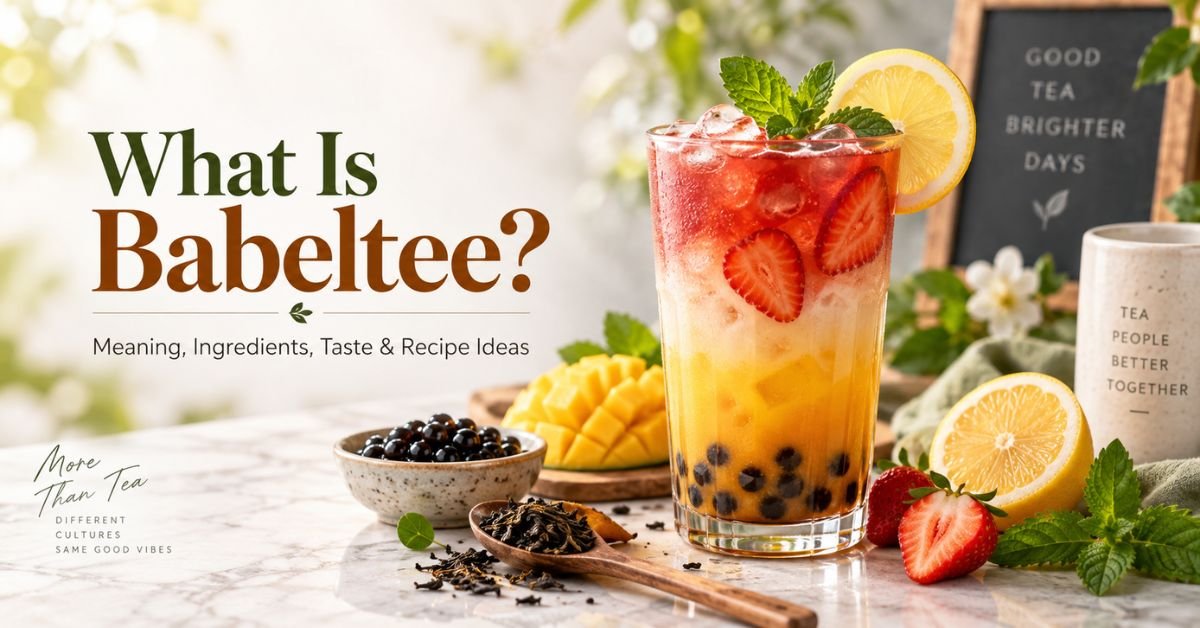
In beverage-related discussions, it is commonly associated with a creative tea experience where a traditional tea base can be customized with different ingredients such as:
- Fruits
- Herbs
- Milk
- Sweeteners
- Spices
- Ice
- Optional toppings
However, there is currently no official recipe that defines exactly what every version must contain. Different websites describe the idea differently, which suggests that the term is still developing online rather than representing an established beverage category.
The best way to understand this modern tea style is:
It is a flexible idea centered around creativity and customization rather than a fixed traditional drink.
Why Is Babeltee Difficult to Define?
One reason this term creates confusion is because the name sounds familiar.
Many people immediately associate it with:
Bubble tea
because the names are visually and phonetically similar.
However, similarity does not always mean they represent the same thing.
Bubble tea is a recognized beverage with documented origins in Taiwan during the 1980s. It usually contains tea combined with milk or fruit flavors and often includes chewy tapioca pearls or other toppings.
This newer tea trend does not currently have the same historical background or standardized identity.
This difference is important because online articles sometimes present assumptions as facts. A professional explanation should separate:
- What is confirmed
- What is possible
- What is only speculation
Babeltee Meaning: What Does the Name Represent?
The exact origin of the word is unclear.
Some interpretations connect the name with ideas of:
- Cultural mixing
- Different flavors coming together
- Global tea creativity
The “Babel” part may suggest diversity and communication, while “tee” may refer to tea in beverage discussions.
However, there is currently no verified evidence proving that this is the official meaning behind the name.
This is common with emerging internet terms. A word may gain popularity first, and its meaning may develop later through online communities, brands, or changing trends.
Is Babeltee a Real Drink?
The answer depends on what someone means when using this term.
If someone uses it to describe a personalized tea creation, then it can represent a real beverage experience.
For example, a customized tea drink could include:
- Green tea
- Mango
- Honey
- Mint
- Ice
Another person might create a different version using:
- Black tea
- Milk
- Cinnamon
- Tapioca pearls
Both examples can fit within the idea of a customizable tea beverage because there is no single formula that defines it.
However, this concept is not currently recognized in the same way as established drinks such as:
- Black tea
- Matcha
- Chai
- Bubble tea
It is better understood as an evolving beverage idea that reflects modern preferences for creativity and personalization.
Common Ingredients Used in Babeltee-Style Drinks
Because there is no official recipe, ingredients can vary depending on personal taste, cultural influences, and preparation style.
However, modern tea customization trends often include the following elements.
1. Tea Base
The foundation of this type of drink usually begins with tea.
Different tea varieties create different flavors, aromas, and experiences.
Popular options include:
Green Tea
Green tea provides a lighter and refreshing flavor. It is often chosen for fruit-based combinations because its mild taste allows other ingredients to stand out.
Black Tea
Black tea offers a stronger and richer taste. It works especially well with milk, spices, and sweeter flavor combinations.
Oolong Tea
Oolong provides a balanced profile between green and black tea, offering a smooth taste with a slightly complex aroma.
Matcha
Matcha creates a distinctive flavor and vibrant appearance. It is commonly used in modern café-style beverages.
Herbal Tea
Herbal options provide caffeine-free alternatives and allow people to experiment with different natural flavors.
2. Fruits
Fruit additions are popular because they provide natural flavor, color, and freshness.
Common choices include:
- Mango
- Strawberry
- Peach
- Lemon
- Lychee
- Passion fruit
Fruit-based tea beverages have become increasingly popular because they offer refreshing flavors and attractive presentations without relying entirely on artificial ingredients.
3. Milk and Creamy Ingredients
Some versions may include creamy ingredients to create a smoother café-style texture.
Common options include:
- Regular milk
- Almond milk
- Oat milk
- Coconut milk
Plant-based alternatives have also become popular because many consumers prefer dairy-free choices.
4. Sweeteners
Sweetness can be adjusted according to individual preference.
Common sweetening options include:
- Honey
- Sugar
- Syrups
- Natural sweeteners
The amount of sweetener used can significantly influence the overall taste and nutritional value of the beverage.
A lighter version may use minimal sweetener, while dessert-style drinks may contain more added sweetness.
5. Toppings
Some creative tea beverages include toppings to add different textures.
Possible additions include:
- Tapioca pearls
- Fruit jelly
- Popping boba
- Grass jelly
However, toppings are optional and depend on personal preference.
The main focus of this drink concept is customization rather than following one strict preparation method.
How to Make Babeltee at Home
Creating this type of customized tea drink at home is simple because the main idea revolves around personal choices and experimentation.
You can adjust flavors, sweetness, and ingredients according to your preferences.
Step 1: Choose Your Tea
Start by selecting a tea base.
Popular choices include:
- Green tea for a fresh and lighter taste
- Black tea for a stronger flavor
- Herbal tea for caffeine-free options
Prepare the tea according to your chosen variety and allow it to cool if you want an iced version.
Step 2: Add Your Favorite Flavor
Once the tea base is ready, add ingredients that match your preferred taste.
Examples include:
- Strawberry + green tea
- Mango + black tea
- Lemon + mint tea
- Matcha + milk
Experimenting with combinations is one of the main reasons customizable tea drinks have become popular.
Step 3: Adjust Sweetness
Add sweetener gradually.
This gives better control over the final taste and prevents the drink from becoming unnecessarily sweet.
Options may include:
- Honey
- Sugar
- Fruit-based sweetness
- Natural alternatives
Step 4: Customize the Texture
Texture can completely change the drinking experience.
For a bubble-tea-inspired style, toppings can be added.
For a lighter and more refreshing option, the drink can be enjoyed with only tea and fruit.
The flexibility of preparation is what makes this modern beverage approach appealing to many people.
Babeltee vs Bubble Tea: Key Differences
Many people search for the difference between this emerging tea concept and bubble tea because both names sound similar.
Although they may appear connected, they represent different ideas.
| Feature | Babeltee | Bubble Tea |
|---|---|---|
| Definition | Emerging customizable tea concept | Established beverage category |
| History | No confirmed official history | Originated in Taiwan |
| Recipe | No fixed recipe | More recognized preparation style |
| Main Idea | Creativity and customization | Tea combined with flavors and toppings |
| Popular Ingredient | Depends on interpretation | Tapioca pearls commonly used |
The biggest difference is standardization.
Bubble tea has a clearly recognized identity, history, and preparation style.
This newer tea trend is still developing and does not currently follow one universal recipe or traditional method.
Instead, it represents the broader movement of creating personalized beverages based on individual taste preferences.
Is Babeltee Healthy?
The answer depends completely on the ingredients used.
The name of a beverage alone does not determine whether it is healthy. The nutritional value comes from the actual components included in the drink.
A simple tea-based version containing:
- Unsweetened tea
- Fresh fruit
- Herbs
may be a lighter beverage option.
Tea varieties such as green tea, black tea, and herbal blends are often chosen because of their natural compounds and traditional popularity.
However, adding:
- Large amounts of sugar
- Sweet syrups
- Cream
- High-calorie toppings
can significantly increase calories and change the overall nutritional profile.
For people who want a lighter version, some helpful choices include:
- Reducing added sugar
- Using fresh ingredients
- Choosing unsweetened tea bases
- Selecting lighter milk alternatives
Ultimately, the ingredients matter more than the name of the drink itself.
Why Is Babeltee Becoming Popular Online?
There are several reasons why unfamiliar terms and creative beverage concepts gain attention online.
1. Curiosity
People naturally search for things they do not recognize.
When users discover a new term, they often want quick answers:
- What does it mean?
- Where did it come from?
- Is it worth trying?
- How is it different from similar products?
Search interest often begins with curiosity before a trend becomes widely understood.
2. Customization Trends
Modern consumers increasingly prefer personalized experiences.
This trend can be seen across many industries:
- Coffee shops
- Smoothies
- Desserts
- Tea drinks
- Fast-casual restaurants
People enjoy choosing:
- Their preferred flavors
- Sweetness levels
- Ingredients
- Textures
- Presentation styles
Customizable drinks fit naturally into this changing consumer behavior.
3. Social Media Influence
Visual presentation plays an important role in modern food and beverage trends.
Colorful drinks with:
- Fruit pieces
- Layered colors
- Creative toppings
- Attractive packaging
often perform well on social media platforms.
People are not only interested in taste but also in the experience of trying something visually unique and shareable.
Common Misunderstandings About Babeltee
Because this is still an emerging term, several misunderstandings exist online.
Understanding the difference between facts and assumptions is important.
Myth 1: Babeltee Is Officially Another Name for Bubble Tea
Not confirmed.
The names are similar, but they should not automatically be considered identical.
Bubble tea has a documented history and established characteristics.
This newer concept does not currently have the same level of recognition or standard definition.
Myth 2: Babeltee Has One Traditional Recipe
Currently, there is no verified standard recipe.
Different interpretations may use different tea bases, flavors, toppings, and preparation styles.
The flexibility is actually one of the main characteristics associated with this concept.
Myth 3: Babeltee Has Guaranteed Health Benefits
Health claims depend on ingredients, not the name.
A drink made with unsweetened tea and natural ingredients may have a different nutritional profile compared with a version containing large amounts of sugar and toppings.
Consumers should always look at the actual ingredients before making health assumptions.
The Future of Babeltee
The future of this emerging beverage concept is still uncertain.
Like many internet-driven trends, it may develop in different directions depending on how people, businesses, and beverage creators use the term in the future.
It could potentially become:
- A recognized beverage trend
- A café concept
- A lifestyle brand
- A creative way to describe customized tea experiences
- Simply remain an online search term
Many modern food and drink trends begin with curiosity before developing a clearer identity.
For this concept to grow into something widely recognized, several factors would be important:
Brand Development
A strong identity helps people understand what makes a product or idea different.
If businesses adopt this concept, they would need to create:
- Clear positioning
- Consistent quality
- Memorable experiences
- Unique flavor combinations
Consumer Interest
Long-term popularity depends on whether people continue finding value in the idea.
Trends usually survive when they provide something consumers enjoy, such as:
- Better taste
- Personalization
- Convenience
- A memorable experience
Clear Positioning
One challenge with emerging terms is confusion.
People need to understand:
- What the product represents
- How it differs from similar drinks
- Why they should choose it
Consistent Quality
Whether created at home or offered by cafés, quality remains important.
Successful beverage trends usually focus on:
- Good ingredients
- Reliable preparation
- Attractive presentation
- Positive customer experiences
Final Verdict: Understanding Babeltee
Babeltee is an interesting example of how internet culture creates new words, trends, and concepts.
While some people associate it with creative tea drinks, it does not currently have the same established identity as traditional beverages such as bubble tea, matcha, or chai.
The most accurate way to understand this term is as an evolving idea connected with customization, experimentation, and modern beverage creativity.
For tea enthusiasts, it represents the opportunity to explore new combinations of:
- Flavors
- Ingredients
- Textures
- Presentation styles
For researchers and digital observers, it shows how online language continues to develop as communities create and adopt new expressions.
As more people discuss and use the term, its meaning may become clearer over time.
Frequently Asked Questions About Babeltee
What is Babeltee?
Babeltee is an emerging online term often associated with customizable tea drinks and creative beverage combinations. It does not currently have one universally accepted definition or fixed recipe.
Is Babeltee the same as bubble tea?
No. Bubble tea is an established beverage with a documented history and commonly recognized ingredients, while this newer tea concept does not currently have the same standardized identity.
Does Babeltee have a fixed recipe?
No. Different interpretations may use different tea bases, fruits, flavors, sweeteners, and toppings.
The main idea focuses on customization rather than following one traditional preparation method.
Can I make Babeltee at home?
Yes. You can create a personalized tea drink by combining ingredients such as:
- Tea
- Fruits
- Herbs
- Milk
- Sweeteners
- Optional toppings
The flexibility allows people to adjust the drink according to their own preferences.
Is Babeltee a brand?
The term appears in different online contexts, and there is no single universally recognized brand that defines the word.
It is better understood as an emerging concept rather than one specific product.